

Balancing Board Guide: Your Essential Handbook for 2026

In 2026, more people are bringing movement into their daily routines by adding balancing boards to homes, offices, and fitness spaces. This shift reflects a growing focus on wellness and staying active throughout the day.
A balancing board can help you enhance core strength, improve posture, and even boost productivity whether you are working at a desk or training in a gym. As demand rises, choosing the right board and using it effectively has never been more important.
This essential handbook guides you through everything you need to know, from the basics and benefits to the latest trends in balancing boards. Discover which board suits your goals, how to use it safely, and what innovations to expect in the year ahead.
Understanding Balancing Boards: Fundamentals and Benefits
Balancing boards are rapidly gaining traction in homes, offices, and gyms as versatile tools for movement, focus, and fun. Understanding the fundamentals and benefits of a balancing board can help you make the most of this innovative equipment.
What is a Balancing Board?
A balancing board is a platform designed to challenge and improve your stability, coordination, and posture. These boards have a rich history, originally used for athletic training and physical therapy, but over time, they have evolved into everyday wellness tools. The transition from niche fitness equipment to essential workspace accessory reflects a broader movement toward active living.
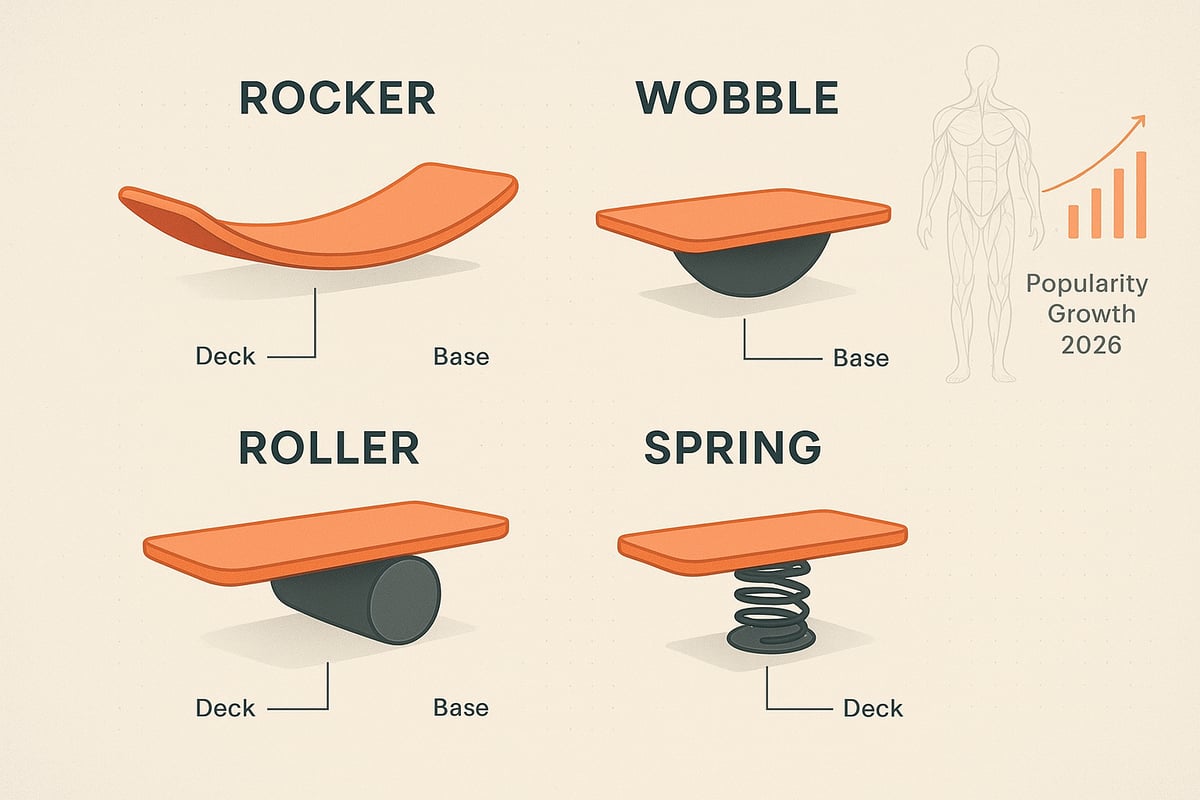
To understand the evolution and various types of balancing boards, you can explore this detailed balance board definition and history. Today, there are several main types:
Rocker boards: Pivot on a single axis, ideal for beginners.
Wobble boards: Offer 360-degree movement, providing a greater challenge.
Spring boards: Incorporate a spring for dynamic resistance.
Roller boards: Use a separate roller, simulating surf or skate motion.
Each balancing board consists of a deck, a base (which may be curved, domed, or movable), and is crafted from materials such as wood, plastic, or composite blends. In 2026, eco-friendly materials are becoming more common.
There are clear differences between balancing boards for adults and children. Kids' boards are typically smaller, lighter, and designed with extra safety features. Adult boards support higher weight and often have more advanced balance mechanisms.
Consumer data reveals a sharp increase in balancing board adoption during 2025 and continuing into 2026. This surge is fueled by the rise of hybrid work, growing health awareness, and a desire for movement-friendly environments.
Physical and Mental Benefits of Balancing Boards
The benefits of using a balancing board extend far beyond simple balance training. One of the most significant advantages is improved core strength and stability. Recent studies indicate that regular use can increase core activation by up to 30 percent, making it a valuable addition to both fitness and rehabilitation routines.
Balancing boards also enhance posture and spinal alignment, which is especially important for those spending long hours at a desk. Even during desk work, users burn on average 19 percent more calories per hour compared to sitting. This active engagement helps counteract the effects of sedentary lifestyles.
Mentally, a balancing board can boost focus, cognitive performance, and creativity. The act of maintaining balance requires concentration, which can lead to sharper mental clarity and reduced stress levels. Many users report feeling more energized and less fatigued throughout the day.
For athletes and office workers alike, balancing boards support injury prevention by strengthening stabilizer muscles and improving proprioception. Real-world examples from hybrid offices show notable productivity improvements and fewer complaints of back pain.
Incorporating a balancing board into daily routines is a powerful way to support both physical health and mental wellness.
Types of Balancing Boards for 2026: Features, Materials, and Innovations
Balancing board technology is rapidly evolving as we move into 2026. With diverse options, innovative materials, and new features, selecting the right balancing board depends on understanding the strengths of each type. Below, we explore the latest in design, materials, and functionality.

Rocker Boards
Rocker boards remain a staple in the balancing board market, particularly for beginners and those seeking basic balance training. These boards feature a curved base that rocks back and forth, offering a controlled range of motion.
Key features in 2026 rocker boards include:
Wider, slip-resistant decks for added safety
Durable, sustainable materials like bamboo and recycled polymers
Adjustability options for different skill levels
Pros:
Simple to use, ideal for entry-level users
Stable motion encourages confidence
Cons:
Limited to one plane of movement
Less challenging for advanced users
Notable 2026 models incorporate modular bases, making it easy to adjust the difficulty level. Rocker boards are an excellent starting point for anyone new to using a balancing board.
Wobble Boards
Wobble boards offer 360-degree motion, making them a versatile choice for rehabilitation, fitness routines, and standing desk setups. In 2026, eco-friendly composites and recycled plastics are leading material trends. FluidStance is the category creator of wobble boards for standing desks and has been researched by the Mayo Clinic and universities.
Typical uses for a wobble balancing board include:
Physical therapy for ankle and knee recovery
Enhancing core stability during workouts
Boosting engagement at standing desks
Innovations in recent models focus on anti-slip coatings and customizable pivot heights. This type of balancing board is favored by fitness professionals seeking multidirectional movement and by office workers aiming to reduce sedentary behavior.
Roller Boards
Roller boards introduce dynamic movement, ideal for sports training and agility drills. These boards challenge balance and coordination by requiring users to stabilize themselves on a moving base.
Key advancements for 2026:
Enhanced roller grip for controlled motion
Integrated safety bumpers
Reinforced springs for greater durability
Comparison Table:
Feature |
Roller Board |
Spring Board |
|---|---|---|
Movement |
Lateral |
Multi-directional |
Stability |
Moderate |
High |
User Level |
Intermediate |
Advanced |
Whether you are an athlete looking to sharpen your performance or a fitness enthusiast wanting variety, a roller or spring balancing board provides a stimulating challenge.
Smart and Connected Balancing Boards
Smart balancing board innovation is transforming the user experience in 2026. These boards integrate sensors, Bluetooth connectivity, and companion apps to provide real-time feedback and gamified balance training.
Key features include:
Motion and stability tracking
App-based progress reports and challenges
Customizable training programs
According to Smart balance board market trends, the market for these connected devices is expanding rapidly, with an 18 percent growth projected from 2025 to 2026. Smart balancing board models are particularly popular among tech-savvy users and those seeking measurable improvement.
Specialized Boards for Kids, Seniors, and Athletes
Manufacturers are designing balancing board options tailored to specific age groups and abilities. For children, boards are often lighter, lower to the ground, and feature bright, engaging graphics. Seniors benefit from wider platforms, ergonomic grips, and enhanced stability features.
Athlete-focused boards emphasize:
Increased load capacity
Adjustable instability settings
Safety certifications for high-intensity use
Ergonomic considerations and rigorous safety testing ensure that every balancing board user, regardless of age or skill, can benefit from balance training. Specialized models are increasingly common as awareness of balance and movement health grows.
How to Use a Balancing Board Safely and Effectively
Using a balancing board can transform your daily routine, but safety and effectiveness are essential. Setting up the right environment and following expert guidance ensures you maximize benefits while minimizing risks. Here’s how to make your balancing board experience both safe and effective in 2026.
Choosing the Right Space and Surface
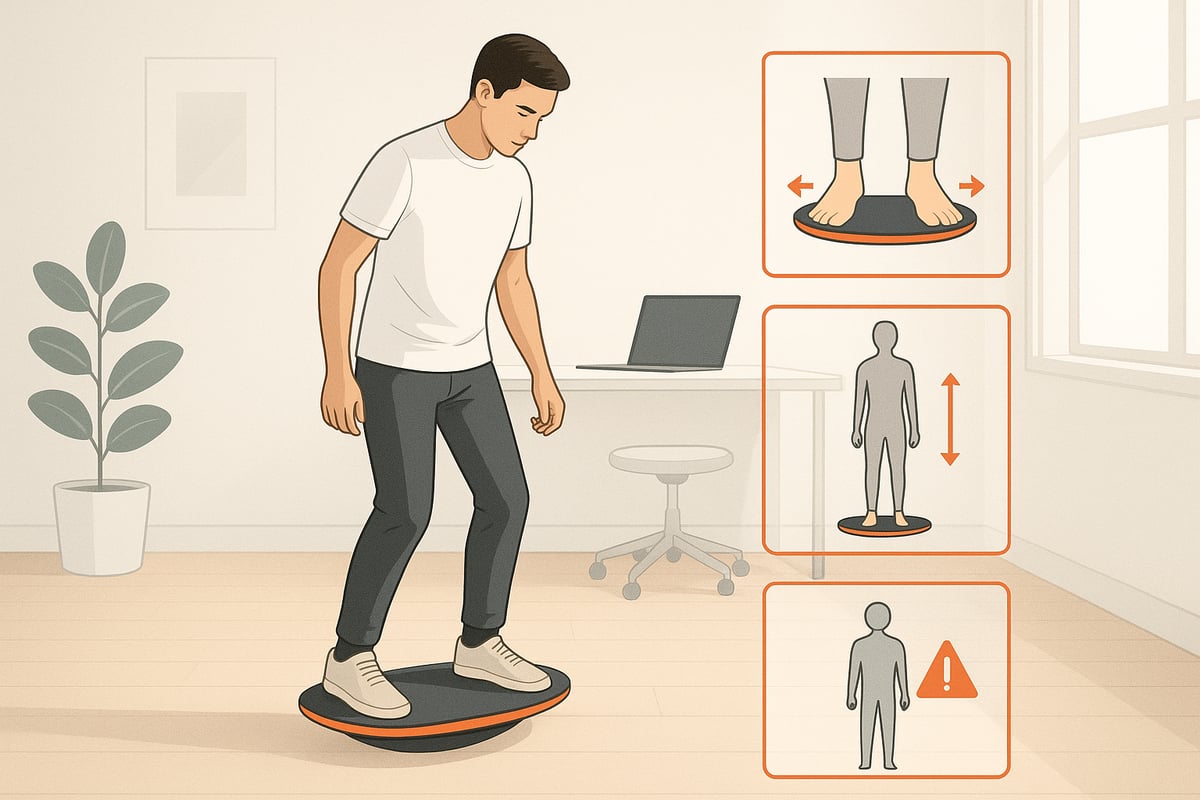
Before stepping onto your balancing board, evaluate your environment. Always use the board on a flat, hard, and non-slip surface such as wood, tile, or gym flooring. Avoid thick carpets or uneven areas, as they can compromise stability.
Create a safety zone around your balancing board. Ideally, leave at least three feet of clear space on all sides. This precaution reduces the risk of bumping into furniture or walls if you lose balance. In a home or office, ensure there are no sharp objects nearby and keep pets or children at a safe distance during use.
For gym setups, designate a specific area for balance training. Mark the floor with tape to define boundaries and keep the space clutter-free. Proper room selection sets the foundation for a safe and effective balancing board routine.
Step-by-Step Guide: Getting Started with a Balancing Board
Starting with a balancing board is straightforward when you follow the right steps. Begin by inspecting the board for damage or loose parts. Place it on your prepared surface, ensuring it sits flat and does not wobble unexpectedly.
Next, stand with your feet shoulder-width apart at the center of the deck. Hold onto a sturdy support like a wall or chair as you find your balance. Once steady, release the support and gently rock side to side, focusing on small, controlled movements.
Gradually increase your time on the balancing board, aiming for short sessions of two to five minutes at first. As confidence grows, try basic movements such as twists, squats, or shifting weight to one leg. Always listen to your body and progress at your own pace.
For detailed instructions and troubleshooting, consult a Balance Board User Guide to ensure proper form and technique. This resource covers everything from setup to advanced exercises, making it valuable for both beginners and experienced users.
Safety Tips and Common Mistakes to Avoid
Safety is crucial when using a balancing board. Follow these best practices to reduce injury risk:
Wear athletic shoes with good grip or go barefoot for better traction.
Avoid multitasking or distractions like mobile devices while balancing.
Take breaks if you feel fatigued; overuse can lead to minor strains.
Learn how to step off safely—step forward or to the side, rather than jumping.
Keep your gaze forward, not at your feet, to maintain balance.
Most balancing board injuries are minor and preventable. In fact, research shows 92 percent of incidents occur due to improper use or ignoring safety recommendations. Stay alert, follow guidelines, and you will enjoy a safe, productive balance training experience.
Integrating Balancing Boards into Daily Routines
A balancing board fits seamlessly into various parts of your day. At a standing desk, alternate between sitting and standing on the board in 20 to 30-minute intervals. This approach boosts energy and keeps your core engaged.
Incorporate the balancing board into your fitness regimen as part of your warm-up or cool-down routine. Try balance circuits with squats, lunges, or single-leg stances to enhance stability and coordination.
For rehabilitation or physical therapy, follow your provider’s guidance on balancing board exercises. Consistent use improves proprioception and speeds recovery. Even a few minutes daily can yield noticeable benefits in posture and focus.
Cleaning, Maintenance, and Storage
Maintaining your balancing board extends its life and ensures safety. Clean the board based on its material:
Material |
Cleaning Method |
|---|---|
Wood |
Wipe with damp cloth |
Plastic |
Use mild soap solution |
Rubber Base |
Gentle brush, air dry |
Inspect your balancing board regularly for cracks, worn grip surfaces, or loose parts. Address issues promptly to prevent accidents. Store the board upright in a dry, cool place, away from direct sunlight and moisture.
Proper care guarantees that your balancing board remains reliable and safe for years to come. Make maintenance a routine part of your wellness practice.
How to Choose the Best Balancing Board in 2026: Buying Guide
Selecting the best balancing board in 2026 requires more than just picking a model that looks appealing. With the market evolving rapidly, understanding your needs and the latest innovations is essential for making a smart investment.
Key Factors to Consider Before Buying
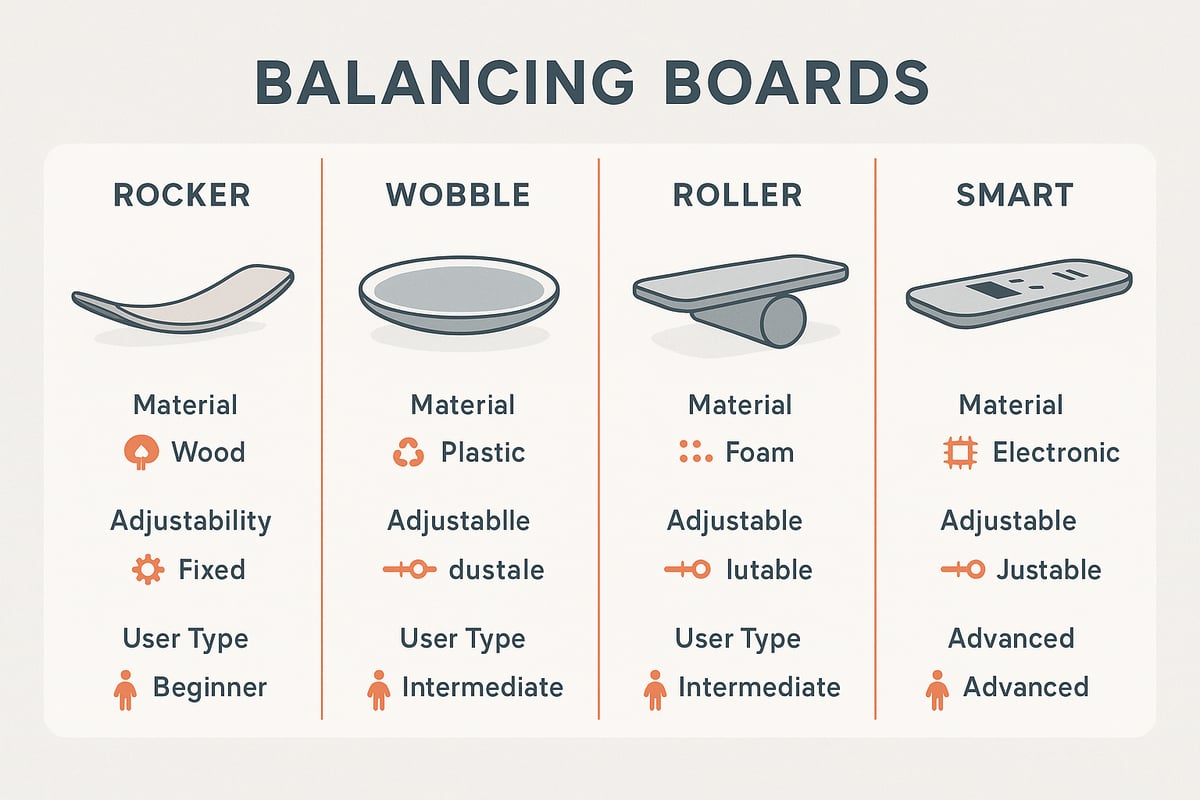
Before you purchase a balancing board, clarify your intended use. Are you seeking a board for fitness, workspace ergonomics, rehabilitation, or playful activities? This first step will narrow down your choices and ensure you find a model tailored to your goals.
Consider these factors:
Weight capacity and board size, especially for multiple users
Material quality, such as sustainable woods or advanced polymers
Sustainability ratings for eco-conscious buyers
Price range and warranty coverage for long-term value
Choosing a balancing board that aligns with your daily routine and physical needs increases the likelihood of consistent use and maximizes your health benefits. Evaluate your available space and check if the board's style fits your environment. These essential considerations will help you make an informed decision and avoid buyer's remorse.
Comparing Top Brands and Models
The 2026 balancing board market offers a diverse range of brands and models, each with unique features and designs. Top brands are focusing on adjustability, stability, and portability to meet the needs of remote workers, athletes, and families alike.
For detailed reviews and the latest comparisons, explore FluidStance's Best Balance Boards for 2026. This resource highlights customer feedback, innovative features, and expert recommendations for every balancing board category.
Testing Boards Before You Buy
Whenever possible, test a balancing board before committing to a purchase. In-store demonstrations allow you to assess comfort, stability, and fit firsthand. Many retailers now offer virtual try-on experiences, using AR technology to help you visualize the board in your workspace or gym.
Check the store’s return policy and trial period. Most reputable brands provide at least a 30-day window for returns or exchanges, ensuring you are satisfied with your choice. Testing different models can reveal subtle differences in balance dynamics and surface grip, both crucial for safety and performance.
If you are new to balancing board use, consult staff or trainers for recommendations on board type and proper setup. This step helps prevent injuries and ensures a positive experience from the start.
Budgeting and Value for Money
Balancing boards come in a wide range of prices, from affordable entry-level models to high-end smart boards. On average, expect to pay between $50 and $350, depending on features and materials. Consider the long-term benefits for your health and productivity when evaluating cost.
A higher upfront investment often results in better durability, advanced safety features, and longer warranties. Calculate the return on investment by factoring in reduced medical costs, improved focus at work, and enhanced fitness outcomes. These savings can quickly offset the initial price of a quality balancing board.
Look for seasonal promotions or bundled offers, especially during wellness campaigns or back-to-school periods. Many brands also provide financing options to make premium models more accessible.
Where to Buy in 2026
In 2026, you can purchase a balancing board through both online platforms and brick-and-mortar retailers. Specialty fitness stores and ergonomic supply shops offer curated selections, while online marketplaces provide extensive variety and customer reviews.
When shopping online, prioritize retailers with transparent return policies and responsive customer support. Trusted brands often have direct-to-consumer websites with detailed product guides and virtual consultations. Visiting a local store allows you to see and test balancing boards in person, compare models, and seek expert advice.
Whether you choose to shop online or in-store, verify the authenticity of the balancing board and ensure it meets safety certifications. This extra step guarantees you receive a genuine product that delivers both value and performance.
Balancing Boards in the Modern Workspace: Productivity and Wellness
As we move into 2026, the modern workspace is transforming rapidly. The balancing board has become a hallmark of this change, bringing movement and energy to environments where people once sat for hours. Companies and individuals alike are embracing active workspaces to improve both productivity and wellness.
The Rise of Active Workspaces
The shift from static office spaces to active environments is unmistakable. In 2026, more organizations are investing in tools that promote movement. The balancing board is now a staple in creative and tech offices, supporting healthier work habits and higher engagement.
According to recent data, 61 percent of hybrid employees use some form of active desk accessory, often a balancing board. This surge reflects a broader recognition that movement during the workday is essential for both physical and mental health. For a detailed look at how these boards fit into office setups, see the Balance Boards for Standing Desks page.
Employers are responding to demand by redesigning spaces to encourage micro-movements, which boost circulation and prevent stiffness.
Benefits for Remote, Hybrid, and Office Workers
A balancing board offers measurable advantages for every type of worker. For remote teams, it breaks up long periods of sitting, helping users maintain energy and focus. In traditional offices, it encourages light activity, which has been linked to reduced back pain and fewer repetitive strain injuries.
Studies show that using a balancing board can increase calorie burn by 19 percent per hour compared to sitting. Employees report feeling more alert and creative during meetings when using these devices. Tech companies and creative agencies have documented fewer sick days and higher job satisfaction after introducing balancing boards.
The flexibility of the balancing board means it fits seamlessly into any workspace, supporting both health and performance goals.
Integration with Other Desk Accessories
Building a holistic wellness workspace involves more than just a balancing board. Many workers pair their boards with anti-fatigue mats, ergonomic risers, and posture-supporting chairs. This combination creates a supportive environment that encourages movement and reduces discomfort.
A typical setup includes a standing desk, a balancing board, and a mat for added comfort. Workers can alternate between standing, balancing, and sitting throughout the day, minimizing fatigue. Companies are also providing guidance on optimal desk height and accessory arrangement to maximize ergonomic benefits.
This integrated approach leads to better focus, fewer aches, and an overall improvement in workplace morale.
Employer Wellness Programs and Incentives
Organizations are increasingly prioritizing employee health through wellness programs. Many now offer stipends specifically for active office equipment, including the balancing board. These investments pay dividends in higher productivity and reduced healthcare costs.
Some employers receive tax benefits or insurance incentives when they promote wellness in the workplace. By encouraging the use of balancing boards, companies demonstrate a commitment to long-term employee wellbeing.
Wellness programs often include educational sessions on safe balancing board use and regular check-ins to track progress. This proactive approach fosters a culture of health, making it easier for employees to adopt positive habits.
Future Trends: Workplace Wellness in 2026 and Beyond
Looking ahead, the role of the balancing board in the modern workspace is set to expand. Market forecasts predict continued growth in adoption, especially as more remote and hybrid workers seek ways to stay active. According to the Standing desk balance board market analysis, innovations like app integration, smart feedback, and AI-driven coaching are on the horizon.
Employers are expected to further integrate movement into office design, with flexible zones for standing, balancing, and collaboration. The balancing board will be a central feature, supporting a culture of wellness and productivity.
By embracing these trends, organizations position themselves at the forefront of workplace health, ensuring happier and more effective teams.
The Future of Balancing Boards: Trends, Research, and Innovations for 2026
The balancing board landscape is evolving rapidly as we approach 2026. Innovations in design, technology, and sustainability are reshaping how individuals use these versatile tools at home, in the office, and for fitness. Let us explore the defining trends and what the future holds for the balancing board.
Recent Advances in Balancing Board Technology
In 2026, balancing board technology is defined by sustainable materials and advanced features. Manufacturers are using responsibly sourced woods, recycled polymers, and eco-composites to reduce environmental impact. Smart features are at the forefront, including app integration, real-time feedback, and balance coaching through embedded sensors. These innovations make the balancing board not only more effective for users, but also more aligned with the values of environmentally conscious consumers.
Research Insights: Health, Performance, and Wellbeing
Recent studies continue to highlight the benefits of the balancing board for both physical and mental health. Users experience improved core activation, better posture, and increased calorie burn. Cognitive performance and creative thinking also see measurable gains when integrating a balancing board into daily routines. Rehabilitation research points to faster recovery times and enhanced injury prevention for athletes and office workers alike. The balancing board is now recognized as a vital tool for holistic wellbeing.
Environmental and Social Impact
The environmental footprint of the balancing board industry is shrinking as companies prioritize green manufacturing. Popular brands now use recycled plastics and low-emission processes. Community initiatives, such as school programs and workplace wellness campaigns, encourage movement and balance for all ages. The balancing board is also becoming a symbol of social responsibility, with donation drives and accessible models for underserved populations.
Predictions for 2026 and Beyond
Looking ahead, the balancing board market is set for significant growth. According to the Global balance boards market forecast, adoption is expected to rise sharply as more people seek active lifestyles and employers invest in wellness tools. Innovations like AI coaching and integration with digital health platforms will become standard. New user demographics will emerge, including seniors and children, further expanding the reach of the balancing board.
How to Stay Ahead: Resources and Continuing Education
To keep pace with these trends, ongoing education is essential. Online communities, virtual workshops, and certification programs help users and professionals maximize the benefits of their balancing board. Reading the latest research journals and participating in webinars ensures that individuals and organizations remain at the forefront of balance training. Embracing these resources will unlock the full potential of the balancing board for years to come.
As you've discovered, integrating a balancing board into your daily routine can transform not just how you work, but how you feel throughout the day. From boosting your core strength and sharpening your focus to minimizing fatigue, the right tools make a real difference in your workspace. If you're ready to elevate your productivity and wellness with thoughtfully designed, sustainable products, I encourage you to Check out how FluidStance products enhances your workflow. Explore a collection built for active, healthy work—so you can move more, think better, and truly thrive at your desk.
Leave a comment