

The Essential Study Table Standing Guide for 2026

Is your study table keeping up with the demands of 2026’s active learning and working styles? As remote work and flexible learning environments become the norm, the study table standing trend is transforming how we approach productivity and wellness. This essential guide will help you master the art of selecting, setting up, and optimizing a standing study table for comfort, focus, and health. Discover key benefits, the latest ergonomic innovations, smart buying tips, and expert strategies to ensure your standing workspace drives both performance and wellbeing this year. Ready to build a healthier, more dynamic workspace? Let’s get started.
Why Standing Study Tables Are Essential in 2026
Standing study tables have become a cornerstone of modern work and learning in 2026. The shift is not just a trend, but a critical response to emerging health, productivity, and social needs. Let’s explore why the study table standing phenomenon is redefining environments for students and professionals alike.

The Health Revolution: Reducing Sedentary Lifestyles
Prolonged sitting has been identified as a major health risk in 2026, contributing to obesity, diabetes, and heart disease. Recent data highlights that over 70% of students and office workers spend more than eight hours seated each day. The adoption of study table standing solutions is accelerating, with schools and offices reporting fewer health complaints and increased energy. Studies confirm that standing desks can help lower the risk of metabolic disorders. For a deeper look at these benefits, explore the Benefits of standing desks.
Cognitive and Productivity Benefits
Research in 2026 shows that the study table standing approach goes beyond physical health. Standing while working or studying helps maintain alertness and boosts focus. Studies reveal that users of standing desks report a 15% increase in productivity and greater creative output. For students, memory retention and learning outcomes improve when alternating between sitting and standing. The cognitive benefits of a study table standing setup are now recognized as essential for high-performance environments.
Ergonomics and Comfort: The Modern Standard
Ergonomics is at the forefront of study table standing design in 2026. Modern standing tables offer height adjustability, supporting healthy posture and reducing fatigue. These tables help prevent neck and back strain by allowing users to alternate positions throughout the day. The latest ergonomic guidelines recommend adjustable tables in both home and educational settings. A study table standing arrangement tailored to the individual promotes comfort, ensuring long-term satisfaction and wellbeing.
Sustainability and Future-Proofing Your Workspace
Sustainability is a driving force in study table standing trends for 2026. Manufacturers are using eco-friendly materials like bamboo, recycled metals, and responsibly sourced woods. This shift supports both environmental goals and long-term durability. Many standing tables are now designed for modularity, allowing easy upgrades and repairs. Brands leading the way in sustainable study furniture provide options that adapt as needs change, making a study table standing investment future-proof and environmentally conscious.
Social and Educational Shifts
The widespread adoption of remote and hybrid learning has accelerated the demand for flexible study table standing solutions. In 2026, over 60% of schools and universities have integrated standing desks into their classrooms. Parents and educators report that students are more engaged and less restless with these setups. The study table standing trend is also influencing home environments, as families seek versatile workspaces that support both learning and professional needs.
Key Arguments and Insights
In summary, study table standing options are no longer a luxury, but a necessity for anyone looking to thrive in 2026. The convergence of health, productivity, and adaptability makes standing tables indispensable. By embracing a study table standing approach, users position themselves for success in dynamic, wellness-focused environments. The momentum behind this shift is driven by clear evidence and a collective desire for healthier, more effective ways to work and learn.
Choosing the Right Standing Study Table: Critical Factors for 2026
Selecting the ideal study table standing for your needs in 2026 means balancing innovation, comfort, and adaptability. With so many options, understanding what sets each model apart helps you make a confident, informed choice. Let’s break down the essential factors to consider.

Types of Standing Study Tables
The study table standing market in 2026 offers three main types: manual, electric, and convertible. Each serves different preferences and budgets.
Type |
Adjustment Method |
Pros |
Cons |
|---|---|---|---|
Manual |
Hand crank/latch |
Affordable, fewer repairs |
Slower to adjust, effort |
Electric |
Motorized button |
Effortless, precise, memory presets |
Needs power, higher cost |
Convertible |
Switch/foldable |
Doubles as sitting desk, portable |
May lack stability, limited |
Manual tables suit those seeking simplicity in a study table standing. Electric models are great for multitaskers and tech-savvy users. Convertible options work well in shared or multi-purpose rooms.
Sizing and Space Considerations
Before buying a study table standing, measure your available space. Account for both the footprint and the vertical clearance required for standing height.
Small rooms or shared environments may benefit from compact or wall-mounted models. Look for tables with a minimal base or collapsible design if space is tight. Measure doorways and hallways for easy delivery and placement.
Use masking tape to map the table footprint.
Leave at least 30 inches of clearance behind for comfortable movement.
Consider add-ons like shelves or pegboards for extra storage.
A study table standing that fits your room size ensures a clutter-free and efficient workspace.
Height Adjustability and Range
A key feature of any study table standing is its height adjustability. In 2026, ergonomic standards recommend tables accommodate users from children to adults.
Check the adjustment range—ideally, it should support heights from 24 to 50 inches. This allows the desk to serve everyone in a multi-user household. Memory presets are especially useful if more than one person uses the table.
For optimal comfort, review Office ergonomics best practices, which outline current guidelines for safe and healthy desk setup. Prioritize models with smooth, quiet transitions and easy-to-reach controls.
Material Quality and Durability
Choose a study table standing crafted from robust, sustainable materials. In 2026, popular choices include bamboo, recycled metals, and engineered woods.
Bamboo is lightweight, renewable, and stylish. Recycled metals offer strength and longevity. Engineered woods give a balance of cost and durability.
Look for scratch-resistant surfaces.
Check weight capacity for monitors and books.
Review warranty coverage, with many brands now offering 5+ years.
A durable study table standing reduces long-term costs and supports eco-friendly values.
Smart Features and Technology Integration
Modern study table standing designs often include built-in charging ports, wireless charging pads, and app connectivity for height control.
Some advanced models feature AI-driven posture reminders and health tracking, which can help you maintain better habits over time. Integration with smart home systems allows for voice-controlled adjustments and routine programming.
USB-C and wireless charging built-in
Bluetooth or Wi-Fi app support
LED reminders for movement or hydration
These smart features make your study table standing future-ready and adaptable to evolving tech trends.
Budget and Value Assessment
Pricing for study table standing options in 2026 ranges from $150 for entry-level manual models up to $1,200 for premium electric or smart desks.
When budgeting, consider the long-term benefits: improved health, productivity, and potential resale value. Pricier models often include longer warranties, better materials, and advanced features.
Entry-level: $150–$350
Mid-range: $400–$800
Premium: $900–$1,200
Investing in a quality study table standing pays off in daily comfort and workplace efficiency.
Step-by-Step Guide: Setting Up Your Standing Study Table for Maximum Benefit
Setting up your study table standing the right way is essential for reaping its full benefits in 2026. A well-organized, ergonomic workspace not only boosts productivity but also supports your health and comfort. The following step-by-step guide walks you through everything you need for an optimal setup, ensuring your study table standing experience is both effective and enjoyable.
Step 1: Preparing Your Space
Start by selecting a dedicated spot for your study table standing setup. Measure the area to ensure your table fits comfortably, leaving enough room to move around. Good lighting is crucial, so position your table near a window or add a bright, adjustable lamp.
Make sure you have access to nearby power outlets for all your devices. Organize cables using clips or sleeves to prevent tangles and keep your space safe. Declutter the area by removing unnecessary items, making your study table standing environment calm and inviting.
Measure your space before placing the table.
Check lighting and outlet locations.
Use cable organizers for a tidy look.
A thoughtful setup at this stage sets the foundation for a productive 2026 workspace.
Step 2: Assembling the Table
Unbox your study table standing components and lay them out on a clean surface. Review the instruction manual and check that all parts are included. Gather the necessary tools, usually a screwdriver or Allen key, before beginning assembly.
Follow each step methodically, tightening screws and fittings as directed. If your table is adjustable or electric, test the mechanism before completing the assembly. Assembly typically takes 30–60 minutes, depending on the model and features.
Read the assembly guide fully.
Assemble on a soft surface to avoid scratches.
Test all moving parts before finalizing.
Prioritize safety by keeping sharp tools away from children during setup. A careful assembly process ensures your study table standing is sturdy and reliable for everyday use.
Step 3: Adjusting for Ergonomics
Proper ergonomics are vital for a successful study table standing arrangement. Adjust the table height so your elbows form a 90-degree angle while typing, and keep your monitor at eye level to reduce neck strain. For added comfort, consider using an balance board made for a standing desk. This accessory can help minimize fatigue and improve your overall experience.
Position your keyboard and mouse within easy reach, maintaining a neutral wrist position. Add a footrest if needed for extra support. These adjustments make your study table standing setup comfortable for long sessions.
Adjust table and monitor height for posture.
Use a balance board or an anti-fatigue mat to reduce strain.
Keep essentials within reach to avoid awkward stretching.
Following ergonomic guidelines ensures you stay energized and focused throughout your work or study day.
Step 4: Organizing Essentials
Once your study table standing is set up, organize your essentials for efficiency. Arrange your books, stationery, and tech devices in dedicated spots using trays, shelves, or pegboards. This approach keeps your workspace orderly and supports quick access to the items you use most.
Invest in organizers that attach to your study table standing or nearby wall. Use cable holders to keep charging cords neat. Store less frequently used items in drawers or bins below the table.
Assign zones for different materials.
Use vertical storage to maximize space.
Keep surfaces clear for a distraction-free zone.
Regularly tidying your study table standing area helps maintain a productive and clutter-free environment.
Step 5: Personalizing and Optimizing
Personalization transforms your study table standing setup into a motivating and comfortable space. Add a small plant for a touch of greenery and improved air quality. Choose task lighting that reduces glare and eye strain.
Incorporate productivity tools such as a whiteboard for notes or a timer to manage your workflow. Adjust your setup periodically, reviewing what works and making tweaks for ongoing comfort. Monitor your usage patterns to identify opportunities for improvement.
Decorate with items that inspire you.
Use a timer or app to track study sessions.
Regularly update your setup for best results.
By personalizing your study table standing area, you create a workspace that supports your goals and adapts to your evolving needs in 2026.
Expert Tips and Best Practices for Standing Study Table Success
Establishing a productive and comfortable study table standing routine in 2026 requires more than just purchasing the right table. You need practical strategies that will help you build healthy habits, maintain focus, and ensure long-term success. Let’s explore expert-backed tips and actionable best practices for making the most out of your standing study table.
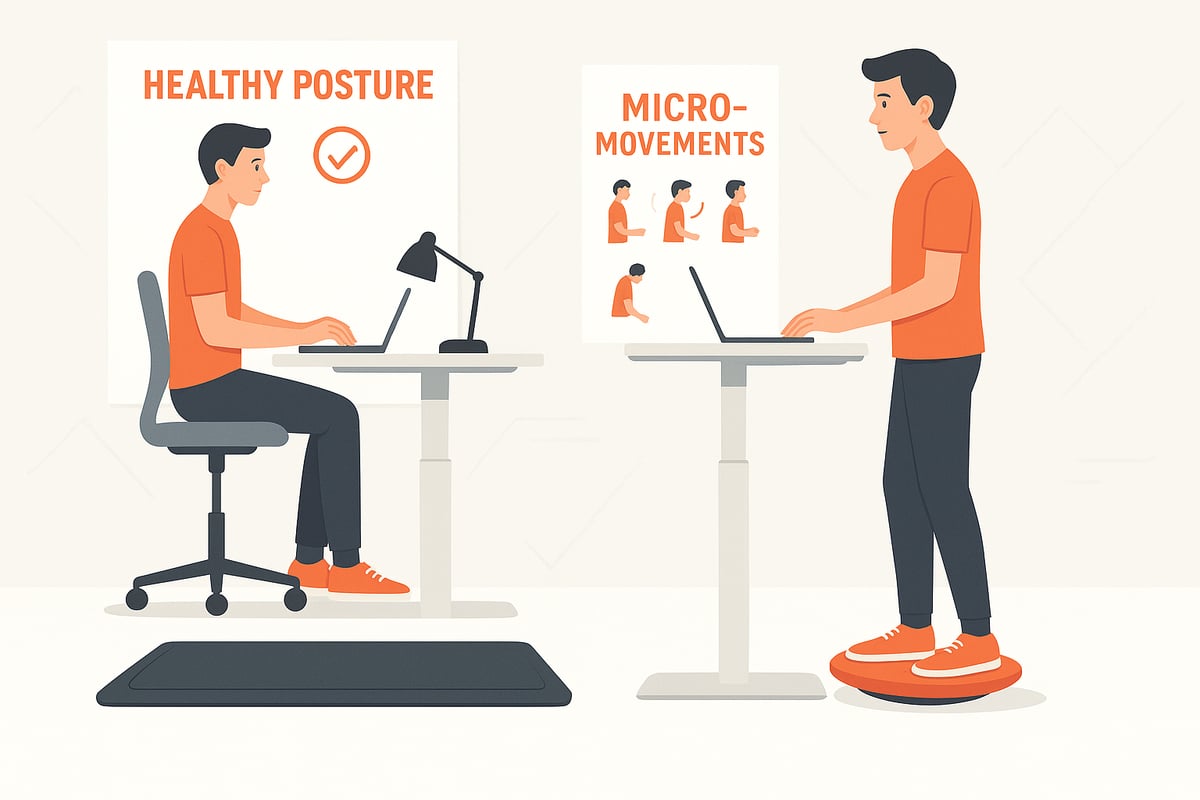
Building a Healthy Routine: Sit-Stand Balance
Creating a balanced routine at your study table standing workspace is essential for comfort and effectiveness. Experts recommend alternating between sitting and standing every 30 to 60 minutes, allowing your body to adjust and recover. Start with shorter standing intervals, then gradually increase duration as your endurance improves.
Recent 2025 studies highlight that movement frequency is key to maintaining focus and reducing fatigue. Many users find it helpful to use timers or smart apps to remind them when to switch positions throughout the day. This approach not only supports your physical health but also enhances productivity and engagement.
For more insights into the benefits of this approach, you can explore the health benefits of standing desks, which cover how alternating positions can reduce back pain and improve mood.
Posture and Movement Techniques
Proper posture is vital when using a study table standing configuration. Stand with your feet hip-width apart, knees slightly bent, and shoulders relaxed. Your elbows should form a 90-degree angle when typing, and your monitor should be at eye level to minimize neck strain.
Incorporate micro-movements, such as gently shifting your weight or performing light stretches, to keep your muscles active. These small actions help prevent stiffness and boost circulation during long study sessions. Wearable posture monitors are becoming popular in 2026 for real-time feedback and reminders to adjust your stance.
By making these adjustments part of your daily study table standing routine, you can significantly reduce fatigue and maintain comfort.
Accessorizing for Comfort and Efficiency
Choosing the right accessories can transform your study table standing environment into a highly efficient and comfortable space. Anti-fatigue mats provide cushioning for your feet, reducing pressure during extended standing periods. Monitor risers help achieve correct screen placement, while adjustable lighting minimizes eye strain.
Balance boards are increasingly popular for encouraging gentle movement and better posture. If you are interested in enhancing your setup, you can learn more about balance boards for standing desks, which offer both comfort and improved focus.
Other top-rated accessories in 2026 include cable organizers, ergonomic chairs for seated intervals, and acoustic panels to reduce distractions. Investing in these additions can help you get the most out of your study table standing experience.
Managing Screen Time and Digital Wellness
Spending hours at a study table standing station often means extended screen exposure. To protect your eyes, follow the 20-20-20 rule: every 20 minutes, look at something 20 feet away for 20 seconds. Blue light filters and adjustable monitor brightness can further reduce eye strain.
Schedule regular screen breaks and use mindfulness techniques to stay present and avoid digital fatigue. Many students in 2026 report improvements in overall digital wellness when they integrate these practices into their study table standing routines.
Maintaining digital wellness is just as important for productivity as physical comfort. Prioritizing both ensures long-term success.
Overcoming Common Challenges
Every study table standing user encounters obstacles, from leg fatigue to workspace clutter. To address soreness, alternate between sitting and standing, and use supportive footwear or mats. If distractions are an issue, arrange your workspace to minimize noise and visual clutter.
Shared or multi-purpose spaces can be optimized with portable dividers or compact organizers. Many parents and educators in 2026 recommend setting clear boundaries and routines to maximize focus at your study table standing area.
Learning from real user experiences and expert advice will help you troubleshoot challenges and maintain momentum.
Tracking Progress and Staying Motivated
Monitoring your progress is essential for sustaining positive habits at your study table standing setup. Use productivity apps or journals to track your daily routines, standing intervals, and health improvements.
Set achievable goals and review your workspace regularly to identify areas for improvement. Celebrating small wins and making adjustments as needed will keep you motivated and committed to a healthier, more productive lifestyle.
The Future of Study Table Standing: Trends and Innovations in 2026
The landscape for study table standing solutions is evolving at a rapid pace in 2026. As technology, design, and wellbeing become central to learning and work, new trends are shaping how we approach our study environments. Let’s explore the innovations set to define the future.
AI and Smart Desk Integration
AI-driven technology is transforming the study table standing experience. In 2026, smart desks feature built-in sensors that monitor posture, desk height, and user movement in real time. These systems offer personalized reminders to adjust positions, track standing and sitting intervals, and even sync with wearable devices for holistic health analytics.
Emerging models connect directly to productivity apps, adjusting lighting and ambient settings based on time of day and user preferences. According to a Scoping review on sit-stand desks, incorporating technology with sit-stand desks enhances engagement and supports healthier behavior. The study table standing trend is moving toward seamless integration of AI for both productivity and wellbeing.
Sustainability and Circular Design
Sustainability is at the forefront of study table standing innovation in 2026. Closed-loop manufacturing processes are now standard among leading brands, ensuring that materials like bamboo, recycled aluminum, and reclaimed wood are reused or responsibly sourced. Circular design principles allow desks to be disassembled and recycled at end-of-life, reducing waste and environmental impact.
Eco-conscious consumers are prioritizing brands that publish transparent lifecycle assessments. The study table standing market is seeing a surge in demand for products with certifications for minimal carbon footprint and toxin-free finishes. This commitment not only benefits the planet, but also ensures longevity and value for users.
Customization and Modular Solutions
Personalization is key as study table standing solutions become more modular and user-centric. In 2026, desks are designed with interchangeable components, allowing users to easily swap out legs, surfaces, or accessories to fit changing needs. Adjustable add-ons such as secondary shelves, integrated cable management, and attachable organizers empower users to create a workspace tailored to their workflow.
Manufacturers are responding to feedback from students and professionals by offering a wide range of colors, materials, and tech features. The study table standing setup can now grow with the user, adapting to evolving academic or professional demands.
Hybrid and Flexible Learning Environments
The rise of hybrid classrooms and remote work has fueled the demand for adaptable study table standing configurations. In 2026, schools and offices are investing in desks that are easy to move, reconfigure, and share among users. Data shows that flexible setups improve engagement and foster collaboration, especially in team-based learning environments.
Study table standing options with quick-adjust mechanisms and mobile casters are now standard in educational settings. This flexibility ensures that learners and workers can transition between group tasks and individual focus with ease, supporting a dynamic approach to productivity.
Wellness-Centric Workspaces
Wellness is central to the future of study table standing environments. Modern workspaces prioritize biophilic design, integrating natural elements like plants, wood textures, and daylight-inspired lighting to boost mood and cognitive function. Advanced air filtration and acoustic panels further enhance comfort and focus.
Research, such as Harvard Health on standing desks, highlights the health benefits of reducing sedentary time. In 2026, study table standing solutions are designed to encourage movement, mindfulness, and active breaks, making wellness a core component of both study and work.
Global Adoption and Accessibility
Study table standing solutions are now accessible to a wider audience than ever before. Global adoption rates have soared in 2026, with government initiatives, school programs, and workplace mandates supporting ergonomic upgrades. Manufacturers are prioritizing accessibility by offering desks with wider height ranges, tactile controls, and features for users with disabilities.
A growing number of institutions are investing in study table standing options to ensure inclusivity and equal opportunity for all learners and professionals. This worldwide shift is making the benefits of standing study environments available to diverse populations and settings.
As you look to upgrade your study space for the demands of 2026, remember that the right tools can make all the difference in how you feel and perform each day. We’ve explored how standing study tables, ergonomic design, and smart accessories can elevate your productivity and well-being. If you’re ready to turn these insights into action, I encourage you to see how thoughtfully engineered workspace solutions can support your goals. Explore innovative options that help you move more, stay focused, and feel healthier throughout your workday—starting right at your desk.
Check out how FluidStance products enhances your workflow
Leave a comment