

Balance Board Guide 2026: Your Essential Beginner’s Handbook

Imagine transforming your fitness, focus, and posture with a tool as simple as a balance board. In 2026, this dynamic device is gaining popularity for its unique ability to boost stability and well-being at any age.
This handbook is your essential starting point. We will demystify balance boards, highlight their key benefits, and offer clear steps for safe, effective use. Whether you want to improve your athletic performance or add movement to your workspace, this guide is designed for you.
Discover what balance boards are, why they matter, how to choose the right one, and the safest ways to get started. Let’s begin your journey to better balance, energy, and confidence.
What Is a Balance Board? Understanding the Basics
Imagine standing on a simple device and feeling your body shift, adjust, and strengthen with every small movement. A balance board is a versatile tool designed to challenge your stability and coordination. Its main purpose is to help users improve balance, core strength, and proprioception.
There are several types of balance board, including rocker boards, wobble boards, spring boards, roller boards, and sphere boards. Each features a deck (the platform you stand on), a fulcrum (the unstable base), and a grip surface for safety. Most are crafted from wood, durable plastics, or composite materials. For example, a rocker board tilts only side-to-side, while a wobble board allows movement in all directions, offering varying levels of challenge. For a deeper dive into these essentials, explore the Comprehensive Balance Board Guide.
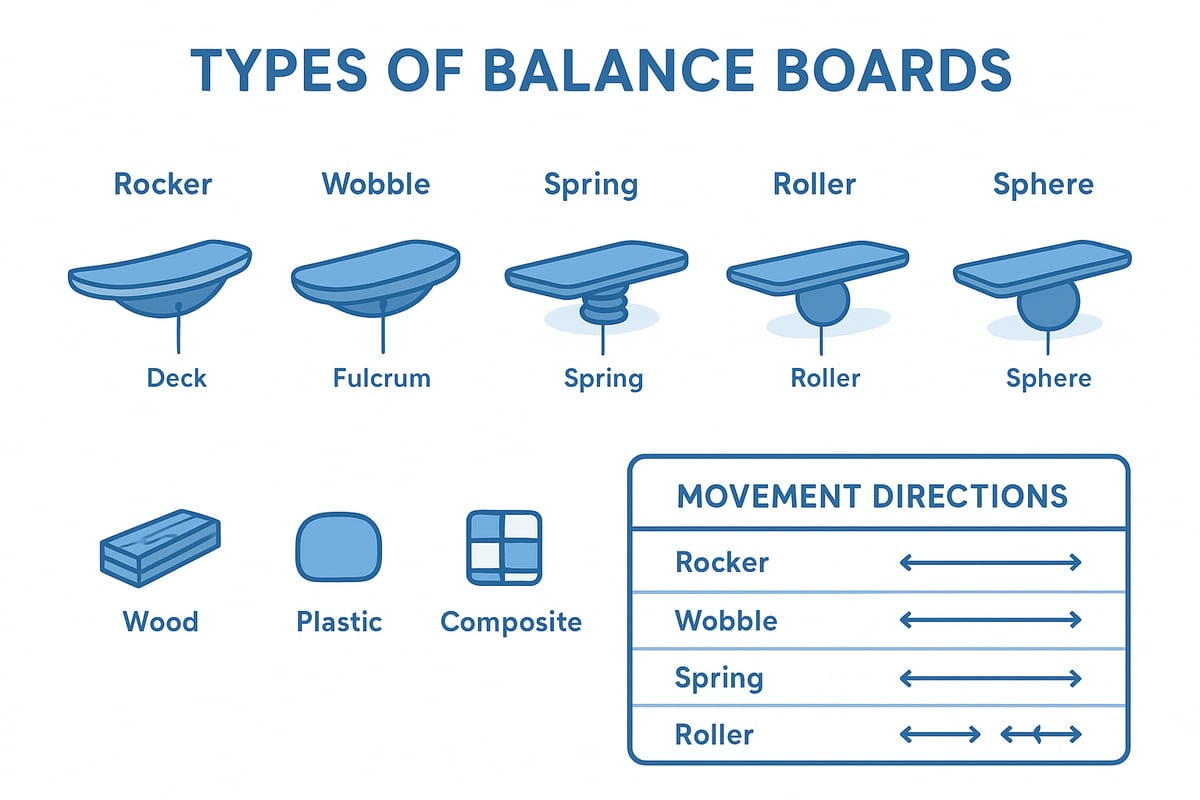
Definition and Core Components
A balance board has its roots in athletic and rehabilitation settings, where it was first used to train coordination and recovery. Over time, the balance board found a place in mainstream fitness, therapy, and even office environments. Key milestones include its integration with standing desks and widespread adoption by fitness enthusiasts.
From 2020 to 2024, balance board sales surged, reflecting growing awareness of its benefits for all ages. This rapid evolution highlights how the balance board has become a staple in both professional and personal wellness routines.
History and Evolution of Balance Boards
The secret behind every balance board is instability. When you step onto the board, your body must make constant micro-adjustments to stay upright. This process engages your core, legs, and stabilizing muscles, training your balance and proprioception.
Neural adaptation occurs as your brain learns to respond faster and more effectively to shifts in position. Many standing desk users report improved focus and energy after using a balance board, demonstrating its impact beyond physical health.
How Balance Boards Work
In 2026, balance board innovation is thriving. New smart models feature sensors and app connectivity, providing real-time feedback and guided workouts. Compact and portable designs make it easy to use a balance board at home or in the office.
Adaptive boards are now available for rehabilitation and senior users, offering enhanced safety features. These advancements ensure that anyone can find a balance board suited to their needs and lifestyle.
Health and Wellness Benefits of Balance Board Training
Training with a balance board offers a wide range of health and wellness benefits for people of all ages and fitness backgrounds. Whether you are seeking to boost strength, sharpen your mind, recover from injury, or simply add more movement to your daily routine, the balance board can help you achieve your goals.
Physical Benefits: Strength, Stability, and Mobility
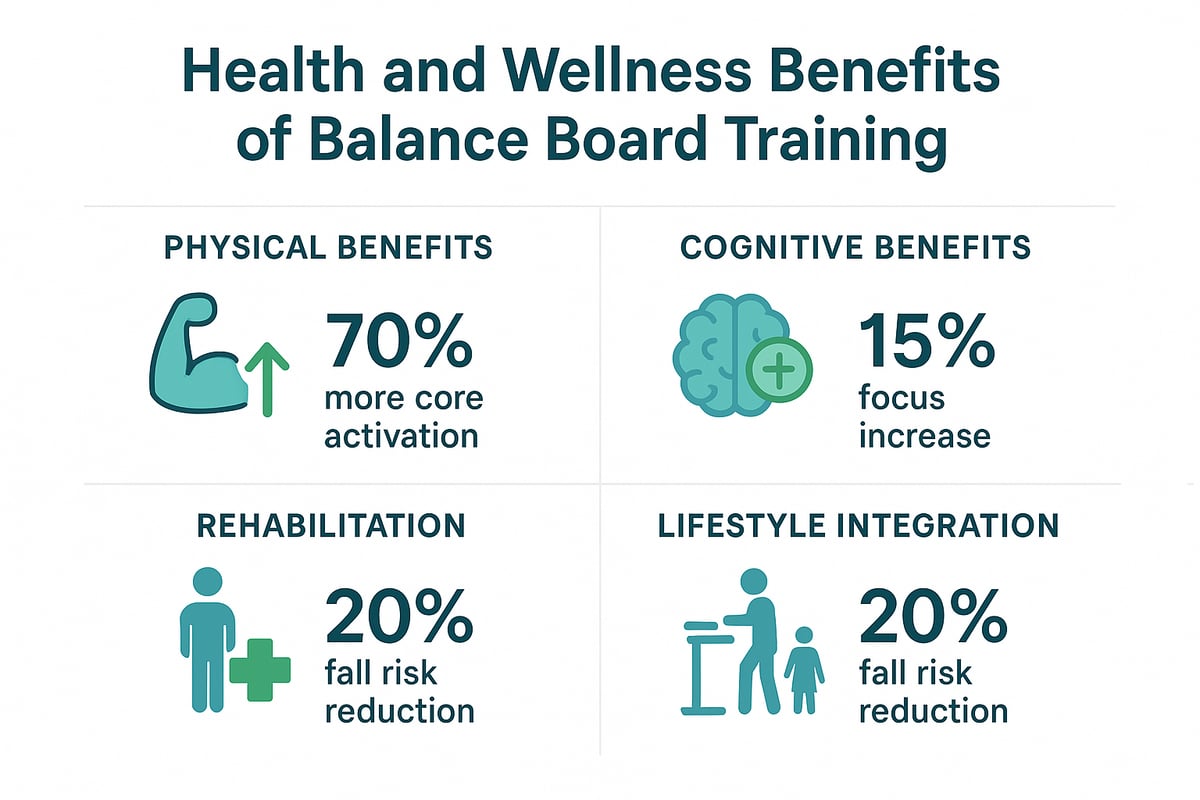
The balance board is a powerhouse for physical development. It activates your core muscles up to 70% more than simply standing still, making it a favorite among athletes and fitness enthusiasts. Regular use also improves joint stability, flexibility, and posture, supporting healthy spinal alignment.
Many athletes rely on the balance board for injury prevention, as it helps train stabilizing muscles that are often neglected. According to the Mayo Clinic, consistent balance board training can significantly enhance muscle control, reduce the risk of falls, and improve overall movement patterns. For more on these advantages, see this Mayo Clinic article on the benefits of balance boards.
Cognitive and Productivity Boosts
A balance board does more than strengthen your body; it sharpens your mind as well. Office trials show that using a balance board can improve focus by up to 15%, helping you stay on task and think more clearly. This is especially valuable for remote workers and students who need to maintain concentration during long periods at a desk.
Engaging in balance board activities also stimulates neuroplasticity, training your brain’s balance centers and improving coordination. Many users report reduced fatigue and higher energy levels during the workday, making the balance board a smart addition to any workspace.
Rehabilitation and Injury Prevention
Balance board training is a proven tool in rehabilitation settings. Physical therapists often recommend it for ankle, knee, and hip recovery because it encourages gentle, controlled movement that rebuilds strength and stability. Recent studies show that regular use of a balance board can reduce fall risk in seniors by 20%, making it a valuable resource for older adults.
Post-surgery rehab protocols frequently include balance board routines to accelerate healing and restore functional movement. The adaptability of the balance board ensures it can be customized to suit a wide range of abilities and recovery stages.
Everyday Wellness and Lifestyle Integration
Incorporating a balance board into your daily life is both practical and enjoyable. Many people use a balance board at their standing desk, during home fitness sessions, or as a fun activity with family members. Testimonials from remote workers and students highlight increased energy and improved focus throughout the day.
Balance board routines are engaging, making it easier to stick with regular movement. Whether you are looking for a quick break or a new way to stay active, the balance board delivers benefits that fit seamlessly into modern lifestyles.
Choosing the Right Balance Board for Beginners
Selecting your first balance board can feel overwhelming, but understanding your needs and options makes the process much simpler. The right choice depends on your goals, available space, and budget. Let’s break down what beginners need to know before making a purchase.
Key Factors to Consider
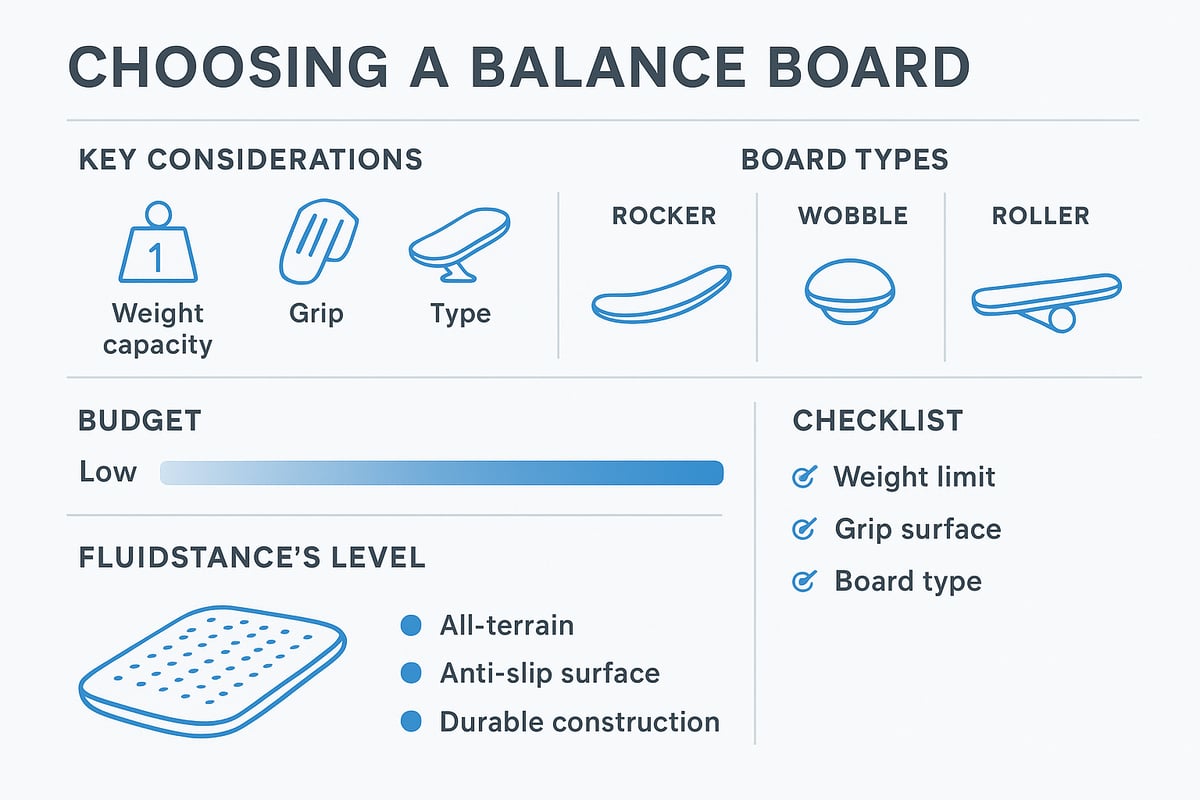
When choosing a balance board, start by assessing practical details. Consider the weight capacity to ensure safety and durability. Board size matters; larger decks offer more stability for beginners, while smaller models are easier to store.
Check the grip surface, as a textured or anti-slip finish reduces the risk of slipping. Portability is important if you plan to use the balance board in different locations, like home and office. Finally, match the board type to your primary goal—whether it’s improving fitness, aiding rehabilitation, or enhancing your workspace.
Comparing Popular Balance Board Types
Balance board designs vary, each offering unique movement patterns and benefits. Here’s a quick comparison:
Type |
Movement |
Best For |
Stability Level |
|---|---|---|---|
Rocker |
Side-to-side |
Beginners, standing desks |
High |
Wobble |
360° tilt |
Core strength, rehab |
Moderate |
Roller |
Lateral/linear |
Advanced users, athletes |
Low |
Rocker boards deliver gentle side-to-side motion, making them ideal for new users. Wobble boards introduce more challenge by allowing multi-directional movements. Roller boards require more skill and balance, suiting those seeking higher-intensity training. Match your chosen balance board to your current comfort level and desired progression.
Budget and Value Considerations
Balance board prices typically range from $30 to $250 or more, depending on materials, features, and brand reputation. Entry-level models often use plastic or basic wood, which are cost-effective but may lack durability. Premium boards feature higher-quality construction, better grip, and longer warranties.
Consider value alongside price. A reliable balance board with a solid warranty and good reviews can be a smarter investment than the cheapest option. If you plan to use your balance board daily, prioritize durability and ergonomic design to ensure long-term satisfaction.
FluidStance: Enhancing Your Workspace with Balance Boards
FluidStance has redefined the balance board experience, especially for those integrating movement into the workday. Their Level board stands out with a sleek, eco-friendly build, ergonomic design, and a lifetime guarantee, making it a favorite for standing desk users.
The platform’s subtle motion encourages micro-movements, boosting focus and productivity without disrupting workflow. Real users report higher energy and less fatigue after switching to a FluidStance balance board. For a curated list of top-rated models and in-depth comparisons, explore the Best Balance Boards for 2025.
Where to Buy and What to Look For
Shop for your balance board at reputable online retailers, specialty fitness stores, or directly from trusted manufacturers. Look for clear return policies and responsive customer support to ensure a risk-free purchase.
Here’s a quick checklist for first-time buyers:
Verify weight capacity and board dimensions
Inspect grip surface and material quality
Review warranty and after-sale service options
Read customer feedback and ratings
Taking these steps ensures you’ll find a balance board that fits your needs and supports your wellness journey.
Getting Started: Step-by-Step Beginner’s Guide
Ready to begin your balance board journey? This step-by-step guide will help you build confidence, avoid common mistakes, and make the most of your new routine. Each section offers practical tips, so you can start strong and see steady progress.
Preparing Your Space and Equipment
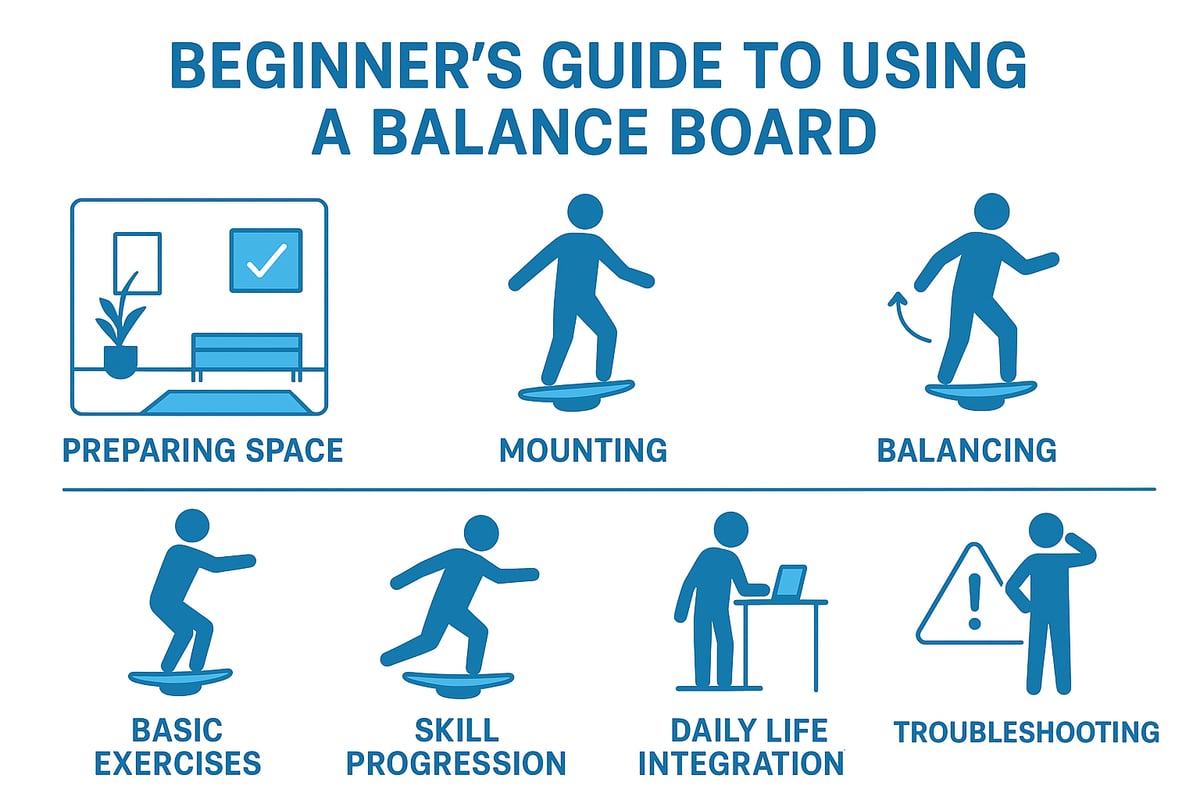
Setting up your area is the first step to safe and effective balance board practice. Choose a flat, non-slippery surface with plenty of open space around you. Remove obstacles like chairs, cords, or rugs that could cause tripping.
Consider whether you prefer barefoot or shoes. Barefoot can improve sensory feedback, while shoes offer extra grip. Inspect your balance board for stability, ensuring the deck and fulcrum are secure and the grip surface is clean. A well-prepared environment reduces the risk of injury and supports your focus from the very first session.
Step 1: Mounting the Board Safely
Approaching your balance board with care is crucial, especially as a beginner. Stand beside the board and place your dominant foot in the center. Steady yourself using a wall or sturdy chair for support if needed.
Once stable, lift your other foot and position it parallel to the first, shoulder-width apart. Keep your knees slightly bent. Practicing this entry method several times will help you develop a sense of control and reduce nervousness. Remember, every successful session starts with a safe mount.
Step 2: Finding Your Balance
After mounting, your next goal is to find equilibrium on the balance board. Distribute your weight evenly across both feet. Engage your core by gently tightening your abdominal muscles, which helps stabilize your entire body.
Start with small, controlled movements, allowing the board to tilt slightly in different directions. Focus on keeping your shoulders relaxed and your gaze forward. This mindful approach not only prevents unnecessary tension but also supports better posture as you get accustomed to the subtle shifts of the balance board.
Step 3: Basic Movements and Exercises
Building foundational skills with your balance board starts with simple exercises. Begin by gently rocking side to side, then forward and back, keeping movements slow and deliberate. Challenge yourself to hold stillness for a few seconds, maintaining balance in a neutral position.
Sample beginner routine (3–5 minutes daily):
Exercise |
Duration |
|---|---|
Rock side to side |
1 minute |
Rock front to back |
1 minute |
Hold stillness |
1 minute |
Repeat sequence |
1–2 rounds |
Consistency is key. Short, daily sessions will quickly improve your control and confidence on the balance board.
Step 4: Progressing Your Skills
Once comfortable with the basics, start exploring more dynamic moves on your balance board. Add gentle squats, single-leg stands, or controlled shifts from one foot to the other. Gradually increase your session time as your stability improves.
Set measurable goals, such as extending your balance duration or mastering new exercises. Track your progress in a notebook or app. Progression keeps training engaging and helps you continually challenge your balance board skills in safe, manageable increments.
Step 5: Integrating Balance Board Use into Daily Life
Bringing your balance board into everyday routines is a great way to boost movement and fun. Use it at your standing desk, during TV time, or as part of family fitness activities. Even short sessions during breaks can enhance focus and energy.
Many remote workers and students find balance boards for standing desks helpful for improving posture and reducing fatigue. Schedule regular practice to form a new habit, and invite others at home or work to join you. Making the balance board part of your lifestyle amplifies its benefits.
Troubleshooting Common Beginner Challenges
It is normal to feel wobbly or unsure when starting with a balance board. If you struggle with stability, try adjusting your foot placement or using additional support until you gain confidence.
Common beginner tips include:
Start with short sessions to avoid fatigue.
Keep feet parallel and knees slightly bent.
Focus on a fixed point ahead to steady yourself.
Consult a physical therapist or trainer if you have balance concerns or pre-existing injuries.
Remember, patience and consistency are vital. With each practice, you will become more comfortable, making your balance board journey enjoyable and rewarding.
Safety Tips, Maintenance, and Best Practices
Staying safe, keeping your equipment in top condition, and following best practices are vital for a rewarding balance board experience. Whether you are a beginner or a daily user, these guidelines help you maximize results and minimize risks.
Staying Safe on a Balance Board
Safety should always be your top priority when using a balance board. Ensure children and seniors are supervised, especially during the first sessions. Select a non-slip, flat surface and keep your area clear of obstacles and distractions.
Wear appropriate clothing and footwear, or go barefoot if the board is designed for it. For extra support, place the balance board near a sturdy wall or chair. Never use the balance board on wet or uneven floors, as this increases the risk of slipping. Taking these precautions creates a secure environment for everyone.
Maintenance and Care
Proper balance board maintenance extends its lifespan and ensures optimal performance. Start by regularly cleaning the grip surface to remove dirt and sweat, which can reduce traction. Inspect your balance board for cracks, loose parts, or wear before each use.
Store your balance board in a cool, dry location, away from direct sunlight or moisture, to prevent warping or material breakdown. If your board has moving parts, check them periodically for smooth function. Keeping up with routine care helps you stay safe and protects your investment.
Injury Prevention and Recovery
Listening to your body is crucial when using a balance board. Watch out for signs of overuse, such as persistent soreness or joint pain. If you experience discomfort, rest and allow time for recovery before resuming training.
Start with short sessions and gradually increase duration as your stability improves. If you are recovering from an injury, consult a physical therapist to design a suitable balance board program. Remember that rest, proper warm-up, and stretching are key to preventing strains or setbacks.
Best Practices for Long-Term Success
Consistency is key for progress with a balance board. Set realistic goals and track your improvements over time. Mix balance board use with other physical activities to keep your routine engaging and balanced.
Stay motivated by joining online communities, participating in challenges, or using app-based guidance. Research shows that using a balance board can increase energy expenditure during desk work without sacrificing productivity, as highlighted in this study on energy expenditure effectiveness. With safe habits and regular practice, you will enjoy lasting benefits and steady improvement.
Balance Board Trends and Innovations for 2026
The balance board landscape in 2025 is rapidly evolving, with cutting-edge technology and new user needs driving innovation. Today’s consumers demand more than just a simple workout tool. They want smart features, sustainability, expanded applications, and ways to connect with a global community. Let’s explore the most exciting trends shaping the future of the balance board.
Smart Technology and App Integration
In 2026, smart technology is revolutionizing the balance board experience. Many new boards feature built-in motion sensors, Bluetooth connectivity, and real-time feedback. Users can connect their balance board to fitness apps, track progress, and even follow guided workouts tailored to their skill level.
Some leading brands offer interactive challenges, allowing users to compete with friends or join global leaderboards. This integration bridges the gap between traditional fitness tools and digital health platforms. According to the Balance Boards Market: Trends & Growth Analysis 2035, tech-driven innovations are a major growth factor, ensuring the balance board stays relevant for years to come.
Eco-Friendly and Sustainable Designs
Sustainability is now a top priority in balance board manufacturing. Brands are shifting toward recycled plastics, responsibly sourced wood, and renewable composites. Consumers increasingly look for certifications that prove a product’s green credentials.
Manufacturers prioritize low-impact production methods, aiming for carbon-neutral operations and minimal packaging waste. Some boards even feature biodegradable grip surfaces or modular parts for easy repair. As noted in Balance Boards Market Expands as Demand for Home Fitness Solutions Grows, eco-conscious design is not just a trend but an expectation for the modern balance board.
Expanding Use Cases: Beyond Fitness
The balance board is breaking free from its fitness niche. In 2025, you’ll find balance boards in schools, where they help students improve focus and coordination. Therapy clinics use them for rehabilitation, while esports and virtual reality trainers turn to balance boards for enhanced reaction speed and physical engagement.
Workplaces also see benefits, with balance boards supporting movement and reducing sedentary time at standing desks. This expanded reach demonstrates the versatility of the balance board, making it a vital tool in diverse environments.
Community and Social Engagement
Balance board enthusiasts are building vibrant online communities. Social media platforms host viral challenges, such as daily balance streaks or creative trick competitions. Leaderboards and group events foster healthy competition and motivation.
Brands support these activities by launching official challenges and offering rewards for progress. Sharing achievements on platforms like TikTok and Instagram inspires others to join in. The balance board is no longer just a personal wellness device; it’s a catalyst for connection and shared progress.
Now that you know how balance boards can boost your focus, energy, and overall well being throughout the workday, it is the perfect time to explore solutions that fit seamlessly into your daily routine. If you are ready to move beyond a sedentary desk and invest in your health, you owe it to yourself to see how thoughtfully designed tools can make a real difference. I encourage you to Check out how FluidStance products enhances your workflow and discover innovative ways to stay active, engaged, and productive at your workspace. Your journey toward a healthier, more dynamic workday starts here.
Leave a comment