

Wobble Board Guide: Expert Tips and Uses for 2026

Interest in the wobble board is soaring in 2026, with people of all ages discovering its unique versatility for fitness, therapy, and play. Whether you are looking to boost your balance, enhance your workouts, or support your child’s development, this guide will help you unlock the full potential of your wobble board.
Here, you will find expert tips, practical advice, and the latest trends to get the most from your wobble board. We will explore different board types, highlight health and fitness benefits, provide a step-by-step usage guide, share innovative uses, and offer essential safety advice.
Ready to gain confidence and maximize results? Let’s dive in and discover how the wobble board can transform your daily routine in 2026.
Understanding Wobble Boards: Types, Materials, and Design
Modern fitness routines and educational environments are increasingly turning to the wobble board for its unique blend of versatility and challenge. This section explores what sets a wobble board apart, how its types and materials have evolved by 2026, and how to select the perfect board for your needs.
What Is a Wobble Board?
A wobble board is a dynamic platform designed to create controlled instability, challenging the user’s balance and coordination. Unlike other balance boards, a wobble board features a curved or rounded base that allows for movement in multiple directions, making it highly effective for balance training.
Originally, the wobble board began as a musical instrument, later finding its place in therapeutic and fitness settings. Over the decades, its design has shifted from simple wooden discs to advanced, multi-functional tools. Today, wobble boards are used in Montessori classrooms to enhance motor skills and in physical therapy for rehabilitation. For more on its fascinating evolution, visit the History of the Balance Board.
Its defining features include a smooth, curved surface, a non-slip top for safety, and a size that accommodates a variety of uses. The wobble board’s multi-purpose nature continues to expand, bridging the gap between play, therapy, and exercise.
Types of Wobble Boards Available in 2026
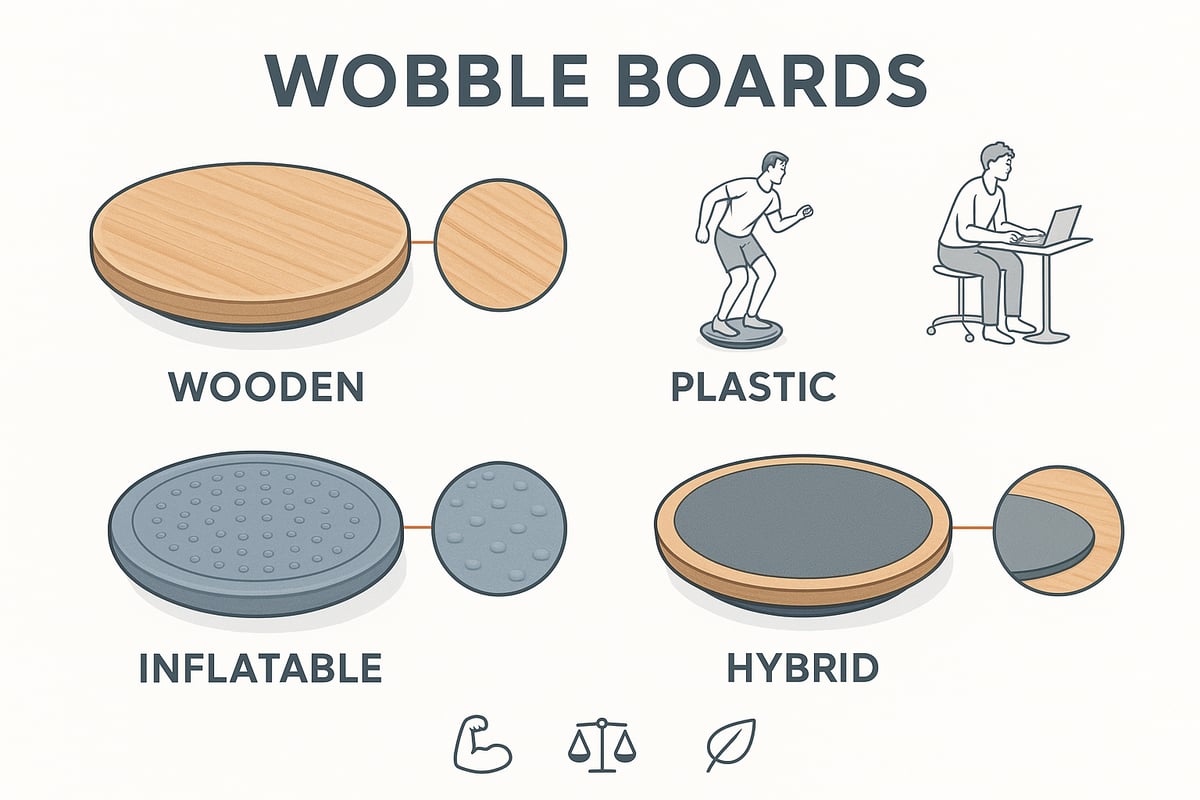
By 2026, the market offers a wide spectrum of wobble board designs tailored to different needs. The most popular options include:
Wooden Boards: Favored for their durability and natural aesthetic, often used in Montessori and Waldorf environments.
Plastic Boards: Lightweight and often adjustable, ideal for home gyms and therapy centers.
Inflatable Boards: Provide customizable instability and are easy to store or transport.
Hybrid Models: Combine materials for enhanced grip and flexibility, appealing to advanced users.
Size variations are now extensive, with compact boards for children, extra-large versions for adults, and specialized models for those needing additional support. When selecting a wobble board, consider weight capacity, especially for group or therapy use.
Recent innovations in 2026 feature eco-friendly materials like sustainably sourced bamboo and recycled plastics. Some boards now include smart sensors that track movement and provide real-time feedback through connected apps. Montessori wooden boards remain a favorite for children's play and development, offering safe, engaging movement.
Comparing single-plane boards, which tilt in one direction, with multi-directional wobble boards reveals the latter’s broader benefits for balance and proprioception. The right type depends on your intended use and skill level.
Materials and Build Quality
The materials used in a wobble board directly impact its performance, safety, and longevity. Common choices in 2026 include:
Sustainable Wood: Offers natural sturdiness and a traditional feel, often handcrafted for quality.
High-Grade Plastics: Lightweight, durable, and easy to clean, suitable for high-traffic environments.
Composites: Blend the best properties of wood and plastic for enhanced strength and flexibility.
A quality wobble board should have a non-slip surface to minimize the risk of slipping, and an ergonomic design to support proper posture. Regular maintenance is key: wooden boards may require occasional oiling, while plastics benefit from routine cleaning with mild soap.
Consumer demand for eco-conscious products continues to grow, driving the development of boards made from recycled and sustainable sources. Comparing handcrafted boards to mass-produced options, the former often provides superior durability and a unique aesthetic, though typically at a higher price point.
Choosing the Right Wobble Board for Your Needs
Selecting the ideal wobble board starts with clear goals. Are you aiming for fitness, rehabilitation, play, or productivity? Each objective may require a different board style or size.
Consider the following when making your choice:
User Age and Weight: Ensure the board is appropriate for the user’s size and physical condition.
Skill Level: Beginners may benefit from boards with limited tilt, while advanced users might prefer more dynamic movement.
Space and Storage: Some boards are compact and portable, while others require dedicated space.
Expert Insights: Reading reviews and testimonials can help guide your decision.
For example, a sturdy, wide wobble board is often best for rehabilitation, providing stability during recovery. In contrast, a smaller, lightweight board may suit active children for play or learning. Adapting your selection to fit your unique context ensures you get the most value and enjoyment from your wobble board.
Health and Fitness Benefits of Wobble Boards
The benefits of using a wobble board in 2026 are more compelling than ever. Whether you are an athlete, office worker, parent, or educator, the versatility of this simple tool can elevate your fitness and well-being. Let us explore the latest insights into how a wobble board can transform your health, from balance and mobility to cognitive function and child development.
Improving Balance and Core Strength
A wobble board is designed to create controlled instability, forcing your body to engage stabilizer muscles. This constant micro-adjustment strengthens the core, hips, and lower limbs. Research shows that regular use of a wobble board can lead to measurable improvements in proprioception and balance scores for people of all ages.
Athletes rely on the wobble board to boost performance, while seniors use it to maintain independence and reduce fall risk. Children benefit from early balance training, laying the foundation for lifelong coordination. For a deeper dive, see these Balance Board Health Benefits explored by leading experts.
Enhancing Flexibility and Mobility
Using a wobble board helps expand your range of motion through dynamic movement. The shifting surface encourages gentle stretching and strengthens supporting muscles around the ankles, knees, and hips. Physical therapists increasingly prescribe wobble board exercises for injury prevention and rehabilitation programs.
Common routines include ankle circles, knee bends, and hip rotations. These movements not only restore flexibility after an injury but also help prevent future strains. No matter your fitness level, the wobble board can be adapted to support gradual progress in mobility.
Boosting Cognitive Function and Focus
Movement and mental alertness are closely connected. Incorporating a wobble board into classrooms or office spaces has been shown to increase concentration and focus. The act of balancing stimulates neural pathways responsible for attention and learning.
Standing on a wobble board while working or studying promotes micro-movements that keep the brain engaged. Teachers and parents report improved classroom behavior and productivity. For adults, using a wobble board at a standing desk offers a simple way to sharpen focus throughout the day.
Supporting Weight Loss and Cardiovascular Health
A wobble board is an excellent addition to calorie-burning workouts. Even short sessions on the board elevate your heart rate and engage multiple muscle groups. Incorporating a wobble board into HIIT or cardio routines can help accelerate weight loss and improve cardiovascular health.
Estimates suggest that a 15-minute wobble board routine can burn a significant number of calories compared to traditional static exercises. Users frequently share success stories about managing their weight and boosting their stamina with consistent wobble board use.
Benefits for Children’s Development
Children thrive when given opportunities for active play and movement. A wobble board supports motor skill development, balance, and sensory integration. Montessori and Waldorf-inspired classrooms now feature wobble boards as essential learning tools.
Activities like rocking, balancing, and spinning on a wobble board encourage creativity and build physical confidence. Early exposure to such movement patterns can positively influence posture, coordination, and spatial awareness as children grow.
Step-by-Step Guide: How to Use a Wobble Board Safely and Effectively
Learning to use a wobble board correctly is essential for maximizing its benefits and preventing injuries. This step-by-step guide provides clear instructions and expert-backed advice for safe practice in 2026. Whether you are a beginner or looking to advance your skills, follow these directions for a confident, effective wobble board experience.
Getting Started: Setting Up Your Wobble Board
Before stepping onto your wobble board, choose a flat, open area free of clutter. Inspect the board for any defects, ensuring the surface provides adequate grip. For beginners, placing the wobble board on a low-pile rug can offer extra stability.
Wear supportive footwear or go barefoot to improve traction and control. In a Montessori playroom or home gym, ensure there is enough space around the wobble board for safe movement. Always keep a sturdy chair or wall nearby for initial support when trying the wobble board for the first time.
Basic Stance and Balance Techniques
Stand with your feet hip-width apart on the wobble board, centering your weight. Keep your knees slightly bent and your chest lifted. Activate your core muscles to maintain balance.
Start by gently rocking side to side, then forward and back. Beginners should aim for a five-minute daily routine, gradually increasing time as confidence grows. Consistent practice on a wobble board helps build foundational balance and prepares you for advanced exercises.
Progressing to Intermediate and Advanced Exercises
Once comfortable, incorporate dynamic movements on your wobble board. Try squats and lunges, focusing on controlled motion. For added challenge, use light dumbbells or resistance bands.
Functional fitness circuits can include planks, single-leg stands, or push-ups on the wobble board. These exercises engage multiple muscle groups and elevate your training intensity. Remember, progress at your own pace and master each move before advancing.
Integrating Wobble Board into Daily Routines
A wobble board is an excellent addition to everyday activities. Place it at your standing desk for micro-movements that promote circulation and focus. Warm up before workouts or use the wobble board for gentle stretching during cool-downs.
Office workers can benefit from desk-based exercises, such as calf raises or gentle rocking, to break up long periods of sitting. For more ideas on workplace integration, explore Balance Boards for Standing Desks, which highlights practical applications for productivity and wellness.
Safety Tips and Common Mistakes to Avoid
Always use the wobble board on a non-slippery surface. Avoid overexertion, especially when starting new routines. Children and elderly users should be supervised and encouraged to take breaks if fatigued.
Listen to your body and stop if you feel unsteady. Physical therapists recommend checking your surroundings and removing hazards. Injury prevention protocols are crucial for safe, sustainable wobble board practice.
Customizing Workouts for Different Ages and Abilities
Adapt wobble board exercises to suit the user's age and fitness level. Children can start with gentle rocking or playful balance games. Seniors may use a support prop, like a chair, for added security.
Athletes can increase difficulty by adding weights or performing single-leg movements. Family fitness sessions are a fun way to include everyone, with adjustable routines that make the wobble board accessible for all skill levels.
Expert Tips and Best Practices for 2026
Unlocking the full potential of your wobble board in 2026 means blending expert strategy with daily commitment. Whether you are aiming for fitness, recovery, or productivity, these best practices will help you maximize every session.
Maximizing Results with Consistent Practice
Consistency is the foundation of success with any wobble board routine. Set clear, achievable goals for your balance and strength training. Experts recommend starting with short daily sessions and gradually increasing duration as your confidence grows. Track your progress with a journal or fitness app to stay motivated.
A 30-day wobble board challenge, for example, can help you build balance, core strength, and even flexibility. Remember, regular practice ensures steady improvement and reduces the risk of injury. The key is to make the wobble board a regular part of your routine, not just an occasional tool.
Combining Wobble Boards with Other Fitness Tools
For optimal results, combine your wobble board with other equipment such as resistance bands, free weights, or yoga mats. This approach allows you to target different muscle groups and keep workouts engaging. Creating a circuit that includes the wobble board can boost both strength and coordination.
Looking for the best setup for your home gym? The Best Balance Board Comparison can help you evaluate features and compatibility, ensuring your wobble board integrates seamlessly with your other fitness tools. Diversifying your workouts in this way encourages full-body engagement and prevents plateaus.
Latest Innovations and Trends in 2026
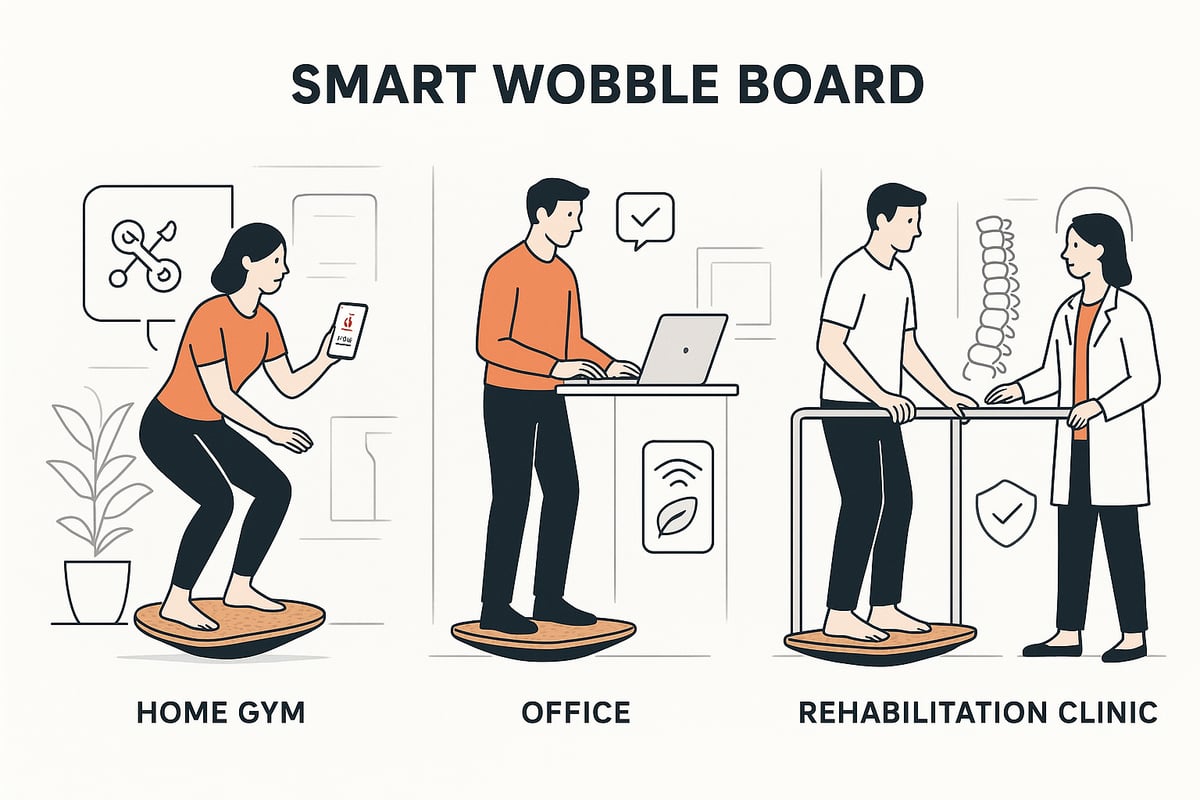
Wobble board technology continues to evolve rapidly in 2026. Smart wobble boards now offer app integration, real-time feedback, and guided routines tailored to your skill level. Eco-friendly materials, such as sustainably sourced wood and recycled plastics, are increasingly popular. Customizable surfaces and modular designs make it easier than ever to personalize your experience.
Market reports show a strong consumer preference for products that balance performance with environmental responsibility. When selecting a new wobble board, look for features that align with your values and fitness goals.
Innovation |
Description |
|---|---|
Smart sensors |
Track balance and progress |
Eco-materials |
Reduce environmental impact |
Custom surfaces |
Enhance grip and comfort |
Insights from Physical Therapists and Trainers
Physical therapists and trainers emphasize correct form when using a wobble board. Start with basic movements, focusing on posture and controlled motion. Gradually add complexity as you become more comfortable. For rehabilitation, therapists often design routines that build stability and confidence.
Case studies highlight the effectiveness of wobble board exercises in recovering from ankle and knee injuries. Professional supervision is advised for those with existing conditions, ensuring safety and proper technique at every stage of recovery.
Maintenance and Longevity Tips
Maintaining your wobble board is essential for safety and durability. Clean the surface regularly using a damp cloth and mild soap, especially if used barefoot. Store your board in a cool, dry place away from direct sunlight to prevent warping or cracking.
Check periodically for signs of wear, such as cracks or loss of grip, and replace the board if necessary. Investing time in maintenance extends the life of your wobble board and ensures every session is safe and effective. User reviews consistently point to these habits as key to long-term satisfaction.
Innovative Uses: Beyond Fitness and Therapy
Wobble board innovation is transforming how people engage with movement and creativity in 2026. While fitness and rehabilitation remain core uses, the wobble board is now a staple in classrooms, offices, art spaces, and community events. Let us explore how this versatile tool is making an impact far beyond its traditional roles.
Wobble Boards in Montessori and Early Childhood Education
In Montessori and early childhood settings, the wobble board has become a foundation for imaginative play and learning. Educators value its ability to foster coordination, balance, and sensory integration among young children. The curved design encourages rocking, balancing, and creative movement, supporting both gross motor skills and cognitive development.
Teachers often integrate the wobble board into group activities, such as storytelling circles or obstacle courses. Children use it as a bridge, a boat, or a tunnel, letting their imagination guide the experience. This approach not only makes physical activity enjoyable but also aligns with Montessori principles of self-directed exploration and hands-on learning.
Workplace Wellness and Standing Desk Integration
The modern workplace is embracing the wobble board as a tool for promoting movement and reducing sedentary habits. Employees who use a wobble board at their standing desks report improved focus, increased energy, and enhanced productivity. Simple balance exercises during short breaks can help reduce fatigue and support joint health.
Companies are offering wellness programs that include wobble board challenges, encouraging staff to stay active throughout the day. For those interested in practical tips and routines, resources like Balance Boards: Benefits and Exercises provide valuable guidance. Integrating the wobble board into the office environment is a forward-thinking step for workplace health.
Choosing and Purchasing a Wobble Board in 2026: What to Look For
Selecting the right wobble board in 2026 requires careful consideration of your goals, safety, and value. With so many innovative options on the market, understanding the key factors can help you make an informed, confident purchase.
Key Features and Specifications to Consider
When shopping for a wobble board, start by evaluating the size, weight capacity, and surface grip. Boards come in various lengths and widths designed for adults, children, or specialized needs. Material matters too—options range from sturdy hardwood to lightweight composite plastics and eco-friendly alternatives.
A quality wobble board should offer a reliable non-slip surface and ergonomic contours. Certifications and safety standards are essential, especially for families and rehabilitation. For a detailed look at safety and expert recommendations, see Maintaining Equilibrium with Balance Boards.
Feature |
Details Example |
|---|---|
Size |
28–40 inches, adult/kids |
Weight Limit |
250–400 lbs |
Material |
Wood, plastic, hybrid |
Grip |
Textured, non-slip |
Certification |
NEAT Certification from the Mayo Clinic |
Always match the wobble board to your intended use and physical requirements.
Top Brands and Models Reviewed
In 2026, several reputable brands lead the wobble board market, offering both classic and innovative designs. Montessori-inspired wooden boards remain popular for children, while smart boards with sensor integration appeal to fitness enthusiasts. New entrants provide eco-conscious options, using recycled or sustainable materials.
Experts and user reviews highlight durability, comfort, and overall value as top priorities. Look for brands with consistent five-star ratings and endorsements from physical therapists or trainers. Best-selling models typically blend sturdy construction with customizable features, ensuring the wobble board meets a variety of needs.
When comparing brands, consider after-sales support, warranty length, and the availability of replacement parts. Investing in a trusted model can enhance your experience and peace of mind.
Where to Buy: Online, Retail, and Specialty Stores
You can purchase a wobble board from a range of outlets in 2026, each offering unique advantages. Online marketplaces provide broad selection and user reviews, making it easy to compare products. Specialty fitness retailers often feature exclusive or customizable models, along with expert guidance.
Brick-and-mortar stores allow you to test the wobble board in person, which can be especially helpful for beginners. Some eco-friendly or handcrafted options are best found through boutique shops or direct from artisans. Consider shipping costs, return policies, and warranties when choosing where to buy.
The rise of specialty online retailers has made it easier than ever to access high-quality wobble board options tailored to your preferences.
Budgeting and Investment Tips
Pricing for wobble boards in 2026 varies widely, from affordable entry-level models to premium, feature-rich designs. Entry boards often start around $40, while high-end versions with smart sensors or sustainable materials can exceed $200. Consider durability, warranty, and included accessories when evaluating value.
Investing in a higher-quality wobble board can pay off in longevity and performance, reducing the need for frequent replacements. Compare cost against user reviews and expert ratings to ensure you get the best return on your investment.
Remember, a well-chosen wobble board supports your wellness journey for years, making it a smart addition to any fitness or therapy routine.
As you’ve seen throughout this guide, a wobble board can truly transform the way you move, think, and work—whether you’re aiming to improve your balance, boost your focus at a standing desk, or add some fun to your daily routine. If you’re curious how to take these expert tips even further and create a workspace that supports your health and productivity every day, I invite you to Check out how FluidStance products enhances your workflow. You’ll find thoughtfully designed tools that make movement a natural, energizing part of your workday.
Leave a comment